
Straight answers to the questions Hobart is asking
This is where we address the rumors head-on.
If you’ve heard something about this project that isn’t covered here, send it to us and we’ll add it.
What you may have heard, and what’s actually true.
-
Read the answer
“The data center will drain Hobart’s water.”
It will use about 14 million gallons a year
Roughly what 120 households use, and less than 12 hours of the water utility’s existing production. The campus runs on outside air cooling 98% of the year.
-
Read the answer
“Residents will pay for it through higher electricity bills.”
Amazon pays 100% of the cost of serving the campus
Including all new energy infrastructure. Its agreement with NIPSCO is expected to save NIPSCO customers around $1 billion over 15 years.
-
Read the answer
“Water and sewer rates will go up to pay for it.”
Amazon funds 100% of the water and sewer infrastructure it needs
The campus buys its water from Indiana American Water and pays all applicable fees. Because it only uses water for cooling 2% of the year, that added capacity is available to the utility the rest of the time.
-
Read the answer
“Data centers do not really employ anyone once they are built.”
The campus is expected to support over 400 full-time jobs
Technicians, support engineers, network and security specialists and engineering operations managers. Building the campus will also create more than 1,000 construction jobs, alongside supply chain roles across the region.
-
Read the answer
“The backup generators will run constantly and pollute the air.”
They run an average of about 10 hours a year
Mostly brief tests to confirm they will work in an emergency. All critical generators are Tier 4 compliant, the EPA’s highest emissions standard, and testing must meet local noise and permit requirements.
Answers to common questions
Showing 11 questions
Most Common Questions
Modern life runs on data centers. Data centers make the internet as we know it possible, enabling us to send emails, place online orders, access online health records, and so much more. Companies like Netflix use AWS cloud infrastructure to stream content to over 230 million subscribers worldwide, while right here in Indiana, companies like Eli Lilly and universities like Notre Dame run on Amazon Web Services (AWS) and rely on data centers to innovate using AI.
Amazon designs its infrastructure to be highly efficient. The company’s data centers optimize energy use, water consumption, and operational performance to deliver maximum computing power with minimal environmental impact.
Since 2010, Amazon has invested more than $31.3 billion across the state of Indiana, including infrastructure and compensation to employees, and has created more than 24,500 full and part time jobs across the state. These secure, high-tech facilities enable innovation and spur local economic growth through job creation and substantial tax revenue that help fund schools, roads, fire departments, and other public services.
Amazon has engaged with state and local leaders over the past several years to develop facilities that align with community priorities. Amazon’s Hobart data center buildings will use approximately 14 million gallons of water per year for cooling — roughly equivalent to the water usage of 120 households, and the total annual use can be produced in less than 12 hours by the water utility’s existing production facilities.
Amazon’s Hobart data centers will rely on outside air cooling 98% of the year. On the hottest days of the year — roughly 2% of the time — Amazon will strategically deploy its water-based cooling technology that is 80% more efficient than the industry average. This approach reduces demand on the power grid by 25% to 35% during peak summer months.
This investment is anticipated to generate over 400 long-term jobs at the new data centers, where Amazon will hire technicians, support engineers, network specialists, engineering operations managers, security specialists, and is anticipated to create other full-time equivalent positions. It also supports thousands of additional jobs dedicated to the construction, operation, and maintenance of data centers with local contractors and small businesses. Since 2010, Amazon has invested more than $31.3 billion across the state of Indiana, including infrastructure and compensation to employees, and has created more than 24,500 direct jobs across the state.
Amazon worked closely with NIPSCO to ensure that it pays 100% of the costs associated with its Hobart data center campus. This includes covering all expenses for new energy infrastructure and upgrades required to serve the data center, which also strengthens overall grid reliability for all NIPSCO customers.
In 2025, Amazon and NIPSCO announced a first-of-its-kind agreement to power data centers while protecting residents and businesses from incurring additional cost. Under the agreement, Amazon will pay fees to use existing power lines and cover the costs for any new power plants, power lines, or equipment needed to serve its data center project. Over the course of 15 years, this agreement is expected to save NIPSCO electricity customers approximately $1 billion. This is just one way Amazon is structuring new energy deals to ensure communities aren’t impacted.
Amazon has also participated in utility rate proceedings in Indiana to ensure ratepayers are protected. In February 2026, Indiana Michigan Power cited data center growth as the reason it is moving to lower base electric rates on customer bills.
No. Amazon’s data center project will not cause water rates to increase. Amazon will pay all applicable fees and will fund 100% of water and sewer infrastructure needed for Amazon’s operations. The data center will use water from Indiana American Water. In addition, because Amazon facilities only use water for cooling 2% of the year, the water and sewer infrastructure will be available to the utility the vast majority of the time, expanding Hobart’s water and wastewater systems at no cost to existing customers.
Local Benefits & Careers
This project is expected to generate tax revenue for Hobart and the surrounding region, providing sustainable funding for essential services, local schools, infrastructure projects, and other public services. The economic effects will strengthen the local economy through job creation, increased business activity, and new opportunities for local contractors and service providers.
Data center construction and operations generate hundreds of construction jobs and support a range of other positions, such as data center technicians, network specialists, engineering operation technicians, facility managers, security specialists, electricians, fiber-optic technicians, and air conditioning (HVAC) technicians. Since 2010, Amazon has invested more than $31.3 billion across the state of Indiana, including infrastructure and compensation to employees, and has created more than 24,500 direct jobs across the state.
You can explore all open data center positions on the Amazon Web Services jobs page.
Amazon is committed to supporting local businesses and workers in the communities where they operate. While Amazon cannot guarantee specific numbers of local construction jobs, the company actively encourages general contractors and subcontractors to hire locally whenever possible.
In addition, Amazon invests in local workforce development programs that help individuals gain the skills needed for careers in cloud computing and technology. Amazon also directly supports local job creation by purchasing goods and services from local businesses, and indirectly through business-to-business transactions in Amazon’s data center supply chain.
Site Information
Amazon’s data center will comply with all applicable sound regulations. Throughout design and construction of the Hobart data center site, Amazon will partner with acoustic engineers to keep sound levels low and ensure the facility fits comfortably within the surrounding community.
Amazon works closely with regulatory agencies throughout the planning, construction, and operational phases to ensure full compliance with all applicable environmental and public health standards. Environmental standards are enforced through multiple layers of oversight, including permitting processes with state and local environmental agencies, ongoing monitoring and reporting requirements, and regular inspections.
Amazon data centers serve millions of customers, including hospitals, first responders, energy systems, and national security agencies. A single power failure could halt life-saving care, cut emergency communications, or disrupt vital infrastructure. As a result, Amazon has built resilience into every layer of its operations, and backup power generators are critical to ensure our customers can access cloud computing during emergencies. Emergency generators are a last resort to ensure essential services continue uninterrupted during rare grid failures and emergency events.
We take air quality in our communities seriously. All critical emergency generators at our Hobart data center are Tier 4 compliant, which means they meet the Environmental Protection Agency’s highest emissions standards. These generators run for an average of 10 hours per year, mostly for brief tests to ensure they are ready and reliable when needed during rare emergencies. All testing must meet local noise and permit requirements. Backup generators are also designed and operated to minimize noise impacts on neighbors. This careful approach keeps facilities prepared for emergencies while minimizing any potential disruption to the community.
No questions match that search. Try a different word, or clear the filters to see all 11 questions. You can also get in touch.
Available documents
Fact sheets and community materials, so the claims on this site can be checked rather than taken on trust.
-
April 2026 · PDF
Amazon Data Center Overview
Overview of Amazon's data center investment in Indiana.
-
JPG
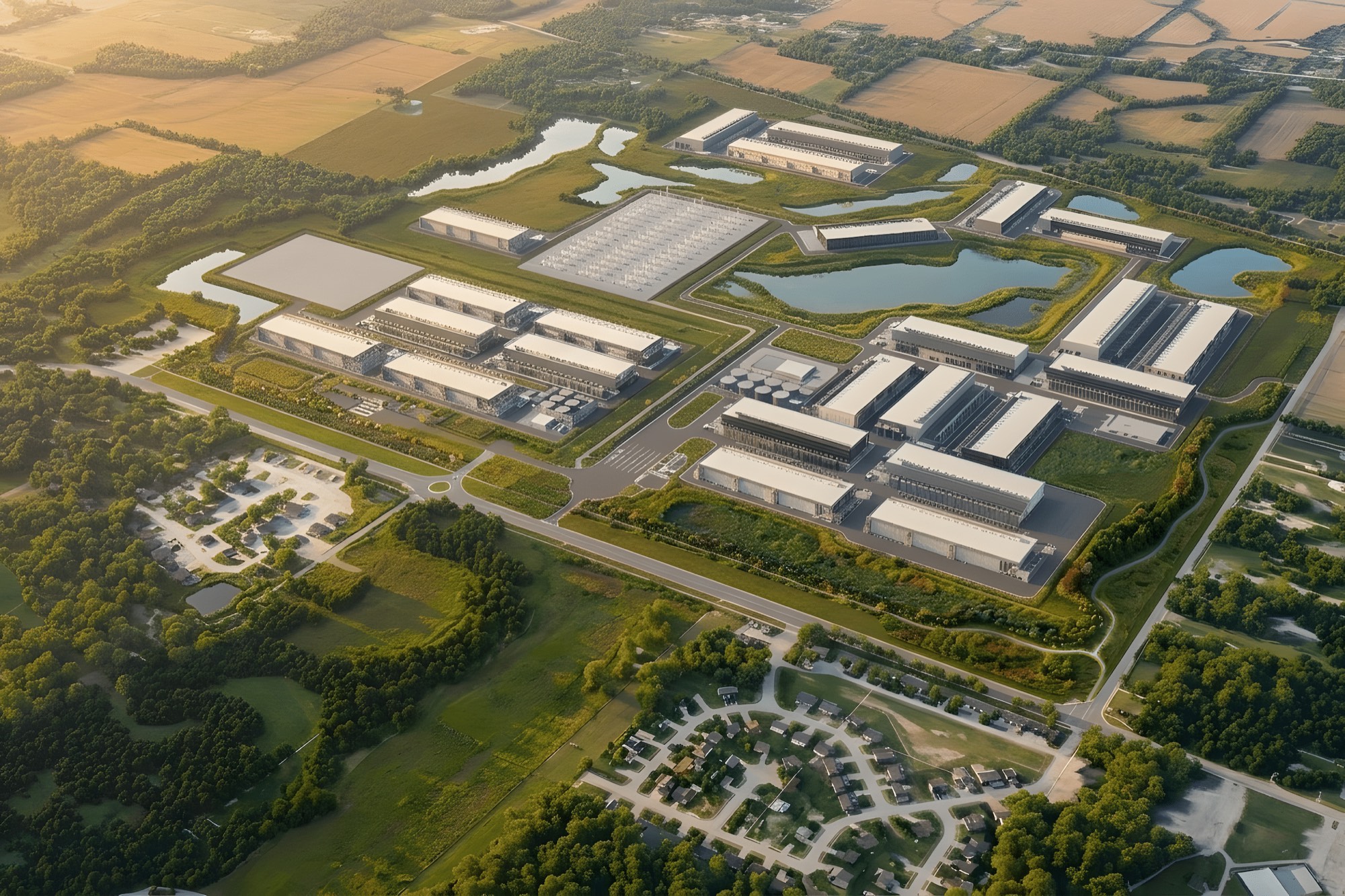
Campus Aerial Rendering
Aerial rendering of the Hobart data center campus and surrounding land.
-
JPG
Data Center Building Rendering
Rendering of a data center building at the Hobart campus.
-
JPG
Building Placement and Landscaping Rendering
Rendering of the campus showing building placement and landscaping.
-
JPG
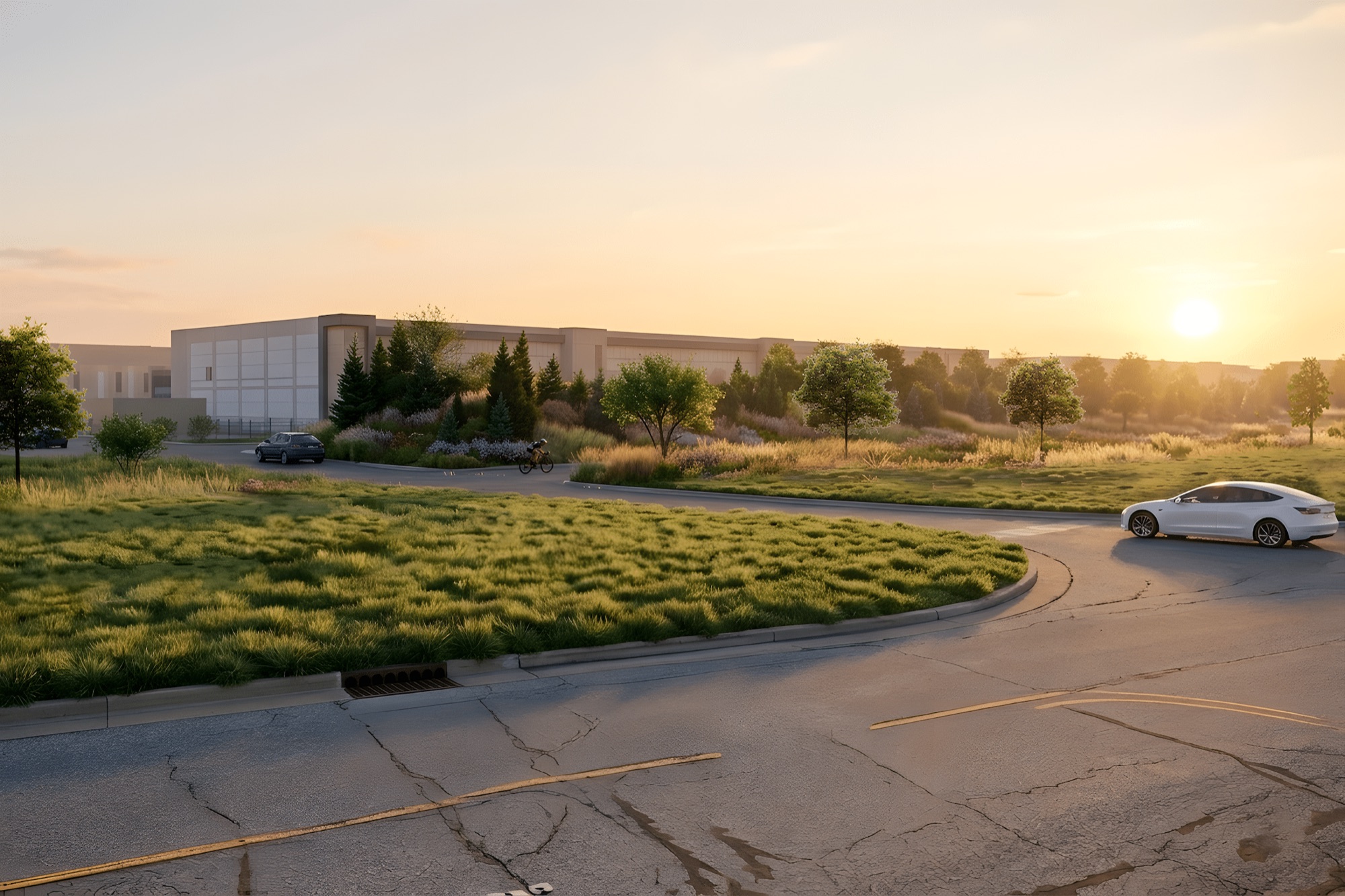
Campus Entrance Rendering
Rendering of the campus entrance and access road.
-
JPG
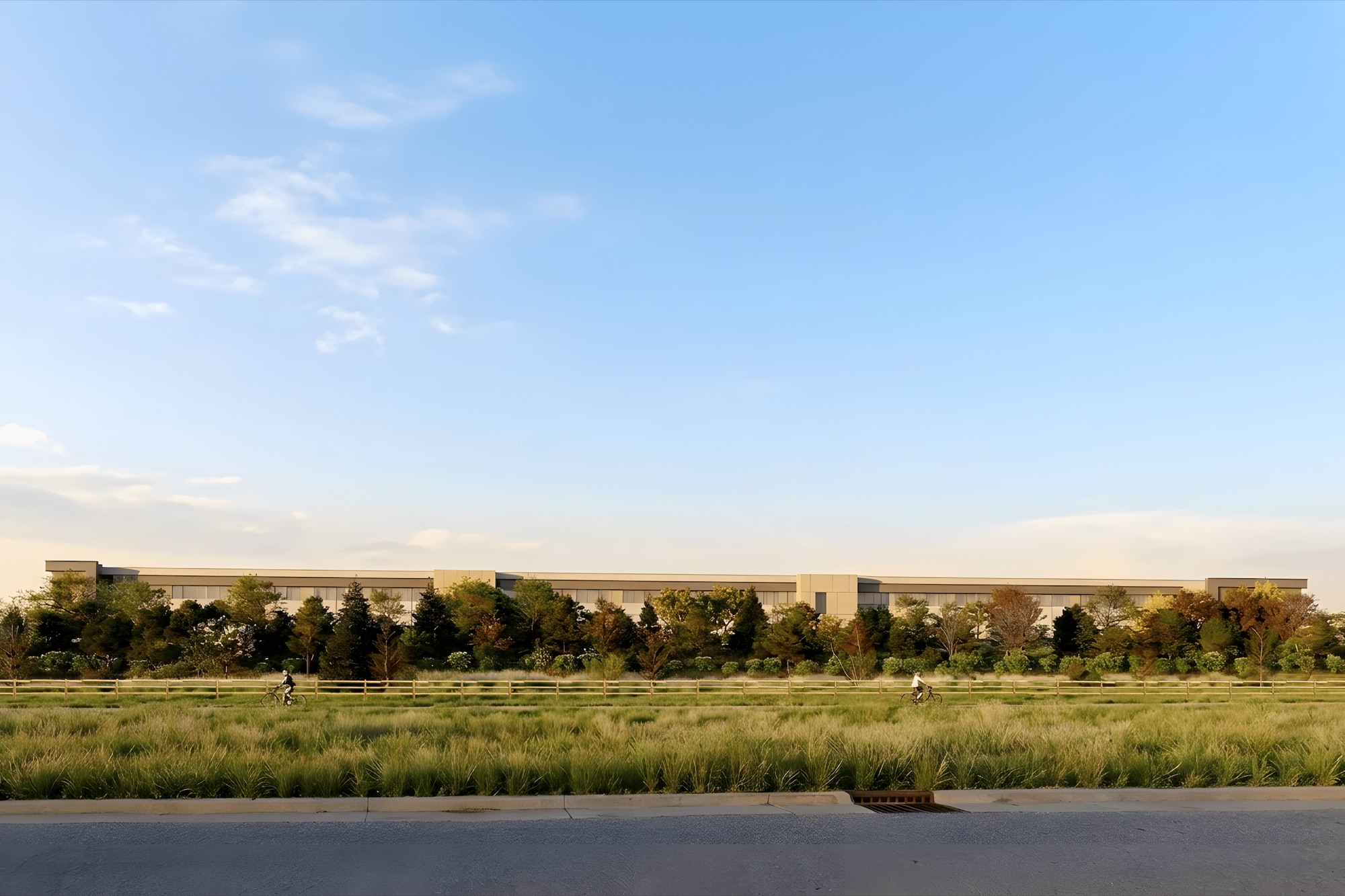
Perimeter and Screening Rendering
Rendering of the campus perimeter and screening.
-
JPG
Ground Level Rendering
Rendering of the Hobart campus from ground level.